






SQL Server performance is a critical factor in modern business operations. Whether you are running transactional systems, reporting platforms, or enterprise applications, slow queries can quickly become a bottleneck that impacts productivity, user experience, and revenue.
Two of the most powerful tools available to database professionals are SQL Server indexes and query tuning techniques. When used correctly, they can dramatically improve performance, reduce system load, and ensure your database environment scales efficiently as your data grows.
In this article, we’ll explore how indexes work, the science behind query tuning, and practical strategies you can use to optimize your SQL Server environment.
Why SQL Server Performance Matters
Database performance is not just a technical concern—it directly affects business outcomes.
Poor SQL Server performance can lead to:
- Slow application response times
- Delayed analytics and reporting
- Increased infrastructure costs
- Frustrated users and lost productivity
- Higher risk of system outages
As data volumes grow and workloads become more complex, performance issues can escalate quickly. This makes proactive optimization essential for maintaining a reliable and efficient system.
What Are SQL Server Indexes?
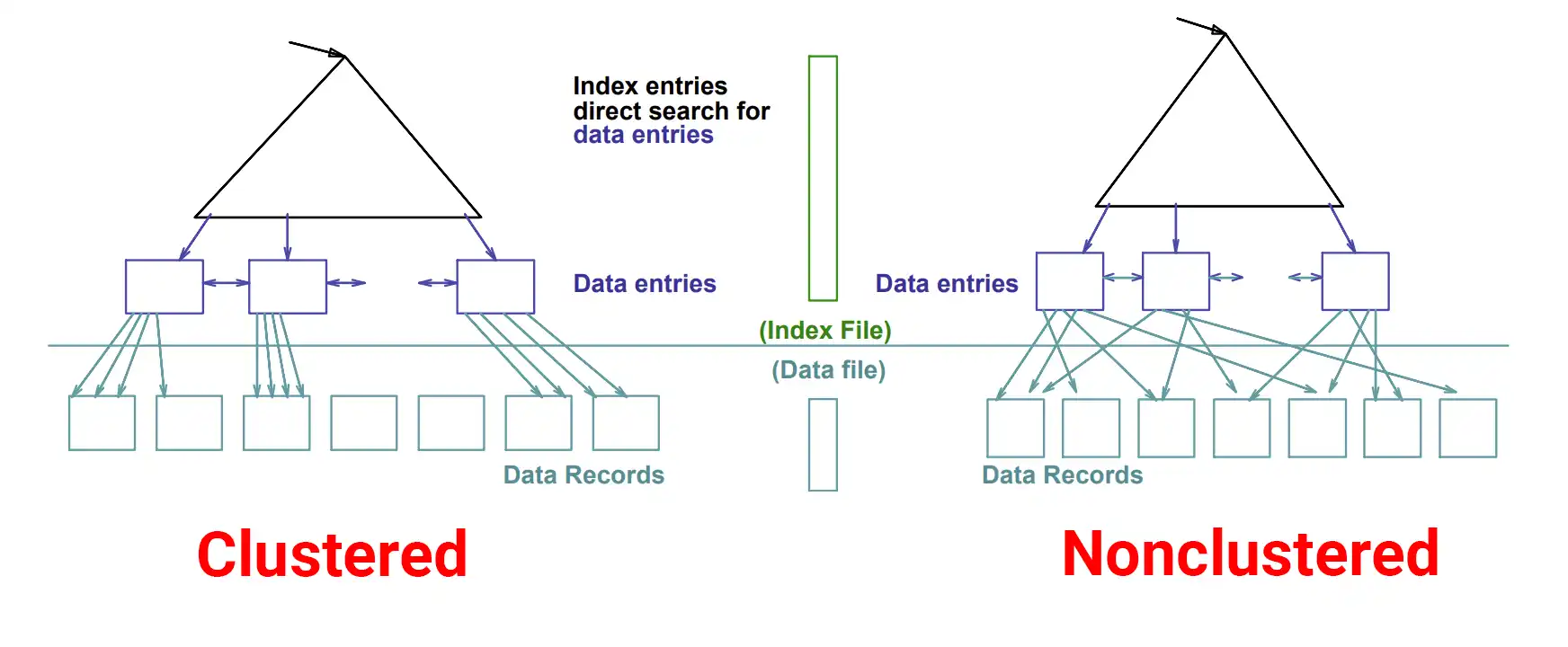

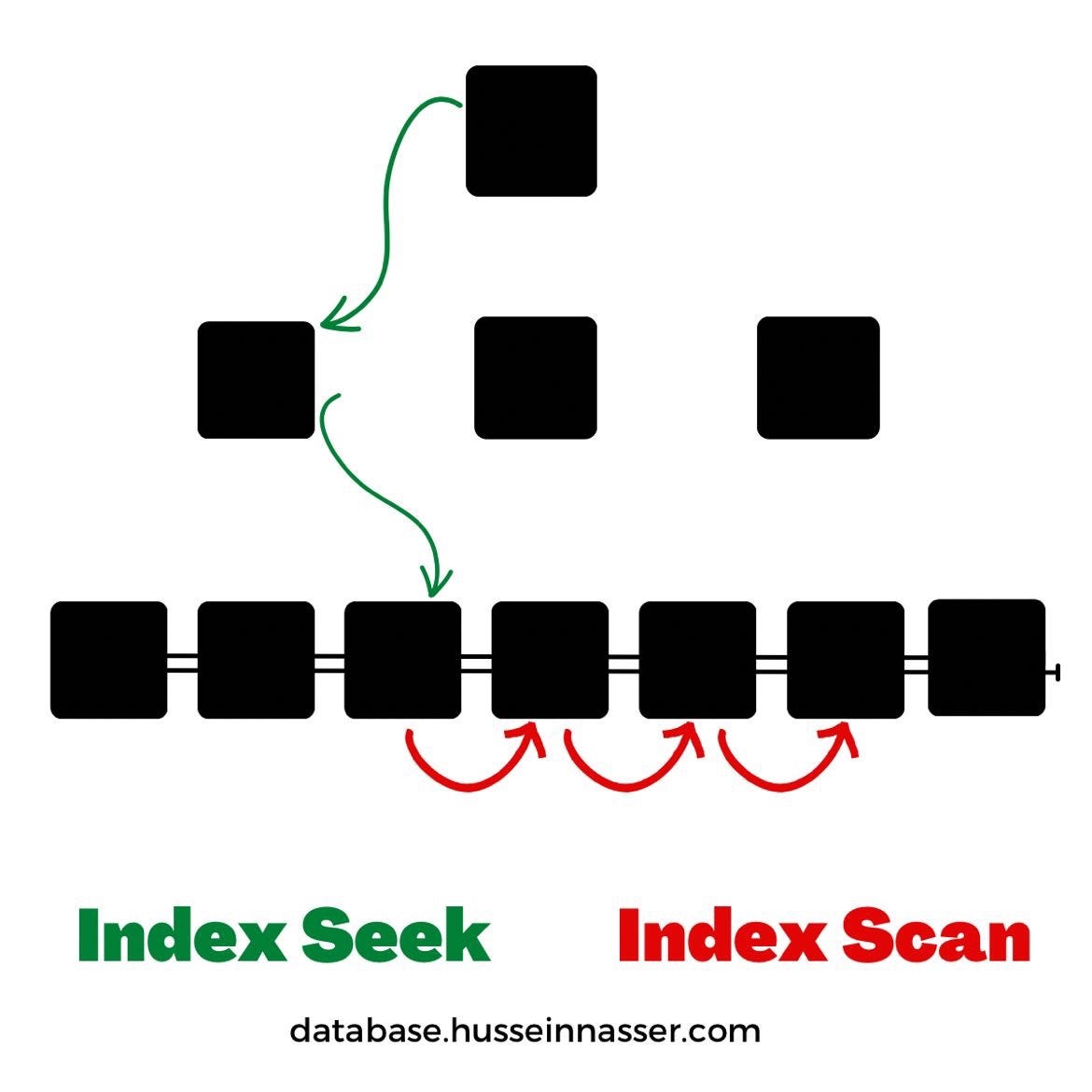
SQL Server indexes are specialized data structures designed to improve the speed of data retrieval operations. Instead of scanning an entire table to find specific rows, SQL Server can use an index to locate the data more efficiently.
Types of Indexes
Clustered Index
A clustered index determines the physical order of data in a table. Each table can have only one clustered index, and it is typically defined on the primary key.
Nonclustered Index
A nonclustered index creates a separate structure that contains pointers to the actual data. Multiple nonclustered indexes can exist on a table to support different query patterns.
Composite Index
A composite index includes multiple columns and is particularly useful for queries that filter or sort on more than one field.
How Indexes Improve Performance
Indexes allow SQL Server to perform index seeks instead of table scans.
- Index Seek → Quickly locates specific rows
- Table Scan → Reads the entire table
For large datasets, the difference can be massive. A well-designed index can reduce query execution time from seconds (or minutes) to milliseconds.
However, indexes are not free. They consume storage and can slow down write operations such as inserts and updates. That’s why proper design and balance are essential.
Common Indexing Mistakes
While indexes are powerful, incorrect implementation can lead to performance degradation.
❌ Missing Indexes
Queries without proper indexes are forced to scan large tables, increasing execution time.
❌ Over-Indexing
Too many indexes can slow down insert, update, and delete operations.
❌ Index Fragmentation
Fragmented indexes reduce efficiency and require regular maintenance.
❌ Poor Column Selection
Choosing the wrong columns or incorrect order in composite indexes can make them ineffective.
The Science Behind Query Tuning

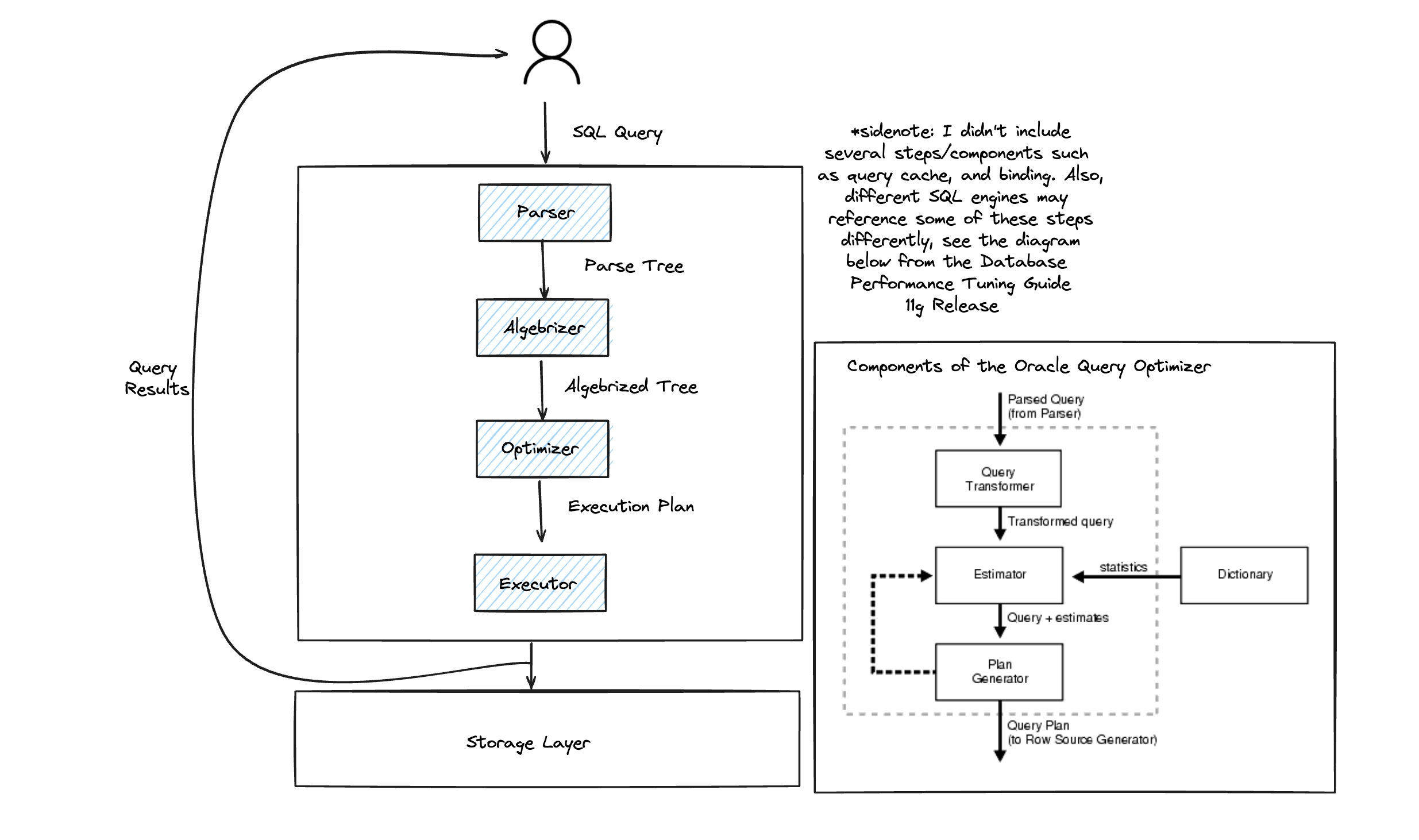

Query tuning is the process of optimizing SQL queries to improve performance. It involves analyzing how SQL Server executes a query and making adjustments to reduce resource consumption.
Key Concepts
Execution Plans
Execution plans show how SQL Server processes a query. They reveal whether indexes are used and identify performance bottlenecks.
Cost-Based Optimization
SQL Server evaluates multiple execution strategies and selects the one with the lowest estimated cost.
Cardinality Estimation
SQL Server estimates how many rows will be processed. Incorrect estimates can lead to inefficient plans.
Practical Query Tuning Techniques
Optimizing SQL Server performance requires a combination of strategies.
✔ Rewrite Inefficient Queries
Avoid unnecessary joins, nested subqueries, and complex functions that slow execution.
✔ Use Proper Indexes
Ensure indexes support your most critical queries and access patterns.
✔ Update Statistics
Outdated statistics can cause SQL Server to choose inefficient execution plans.
✔ Avoid SELECT *
Only retrieve the columns you need to reduce data processing overhead.
✔ Monitor Execution Plans
Regularly review execution plans to identify bottlenecks and inefficiencies.
Real-World Performance Example
Consider a scenario where a reporting query is running slowly.
Before Optimization:
- Execution time: 30 seconds
- High CPU usage
- Full table scan
Optimization Steps:
- Added a nonclustered index
- Rewrote the query to eliminate unnecessary joins
- Updated statistics
After Optimization:
- Execution time: under 1 second
- Reduced CPU usage
- Improved user experience
This demonstrates how combining indexing and query tuning can deliver dramatic performance improvements.
When to Bring in a SQL Server Expert
Not all performance issues are easy to diagnose. You may need expert help if you experience:
- Persistent slow queries
- High CPU or memory usage
- Blocking and deadlocks
- Complex workloads with unpredictable performance
In these situations, a structured approach to performance tuning can save time, reduce costs, and prevent future issues.
Conclusion
SQL Server indexes and query tuning are essential components of database performance optimization. When implemented correctly, they enable faster queries, better resource utilization, and a more scalable system.
By understanding how indexes work and applying proven query tuning techniques, organizations can significantly improve the performance and reliability of their SQL Server environments.
Is your SQL Server running slow?
Falcon Source specializes in SQL Server performance tuning, query optimization, and database troubleshooting.
📞 Call 972-515-2266 today for expert DBA support.
Optimize Now!